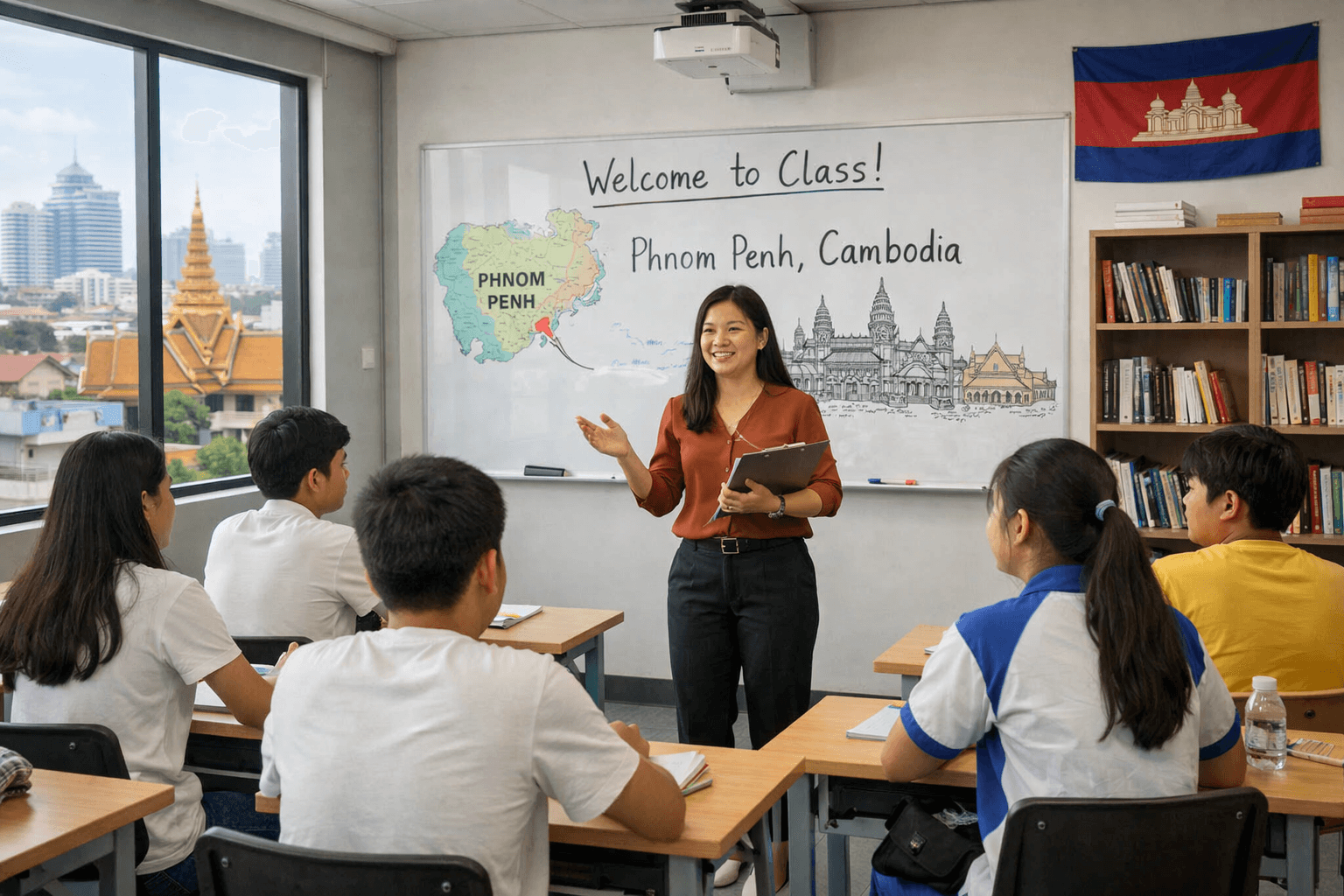
Best TEFL Courses for Teaching English in Cambodia (2026 Guide)
Fancy teaching English in the Kingdom of Wonder without a degree? You’re in the right place, mate! Cambodia is one of the most welcoming destinations for aspiring English teachers, regardless of your academic background. But to really kickstart your adventure and land a cracking job, choosing the right TEFL course is absolutely critical. This comprehensive guide will walk you through everything you need to know about picking the best TEFL certificate for teaching in Cambodia in 2026, especially if you're coming from the UK, South Africa, USA, or Australia without a university degree. We'll cover accreditation, hours, top providers like Bridge TEFL, and give you the honest lowdown on how to stand out. Get ready to sort out your future in Southeast Asia!
Why Your TEFL Certificate Actually Matters in Cambodia
Alright, let’s get straight to it. One of the biggest draws of teaching English in Cambodia is that, unlike many other countries, you generally don't need a university degree to get a teaching job. Sounds brilliant, right? And it is! This opens up incredible opportunities for so many people who might otherwise be locked out of the TEFL world. However, and this is a big "however," while a degree isn't mandatory, a TEFL certificate absolutely is, and not just any old one will do.
Think of it this way: if you're competing for a decent job at a reputable school in Phnom Penh or Siem Reap, and you're up against other applicants who also don't have a degree, what's going to make you shine? Your TEFL, that's what. A properly accredited, comprehensive TEFL course signals to employers that you've got the foundational skills, the pedagogical knowledge, and the commitment to teach effectively. It shows you've taken the profession seriously.
Without a strong TEFL, you might still find work, but you'll likely be limited to smaller, less organised schools, potentially with lower pay and fewer benefits. A good TEFL certificate, on the other hand, opens doors to international schools, private language academies, and even some public school programmes that offer better wages, more stable contracts, and a more professional working environment. It’s not just about getting a job; it’s about getting a *good* job, one where you feel valued and can actually make a decent living.
Moreover, let's be honest, standing in front of a class of eager students, whether they're tiny tots or keen adults, can be a bit daunting at first. A quality TEFL course equips you with the confidence and practical tools you need to manage a classroom, plan engaging lessons, and teach grammar, vocabulary, and pronunciation effectively. It’s not just a piece of paper; it’s your essential toolkit for success in the classroom. So, while Cambodia is flexible, don't skimp on your TEFL – it's an investment in your future adventure!

What to Look for in a TEFL Course
Choosing a TEFL course can feel a bit like navigating a jungle, with so many options out there. But don't fret, I'm here to hack through the undergrowth with you. When you’re looking for a TEFL that’ll genuinely serve you well in Cambodia, here are the non-negotiables and the nice-to-haves:
Accreditation is King (or Queen!)
This is probably the single most important factor. Accreditation means an independent, external body has reviewed the course content, tutor qualifications, and overall quality, and deemed it up to scratch. Without proper accreditation, your certificate might as well be a piece of toilet paper to a serious employer. Look for courses accredited by recognised bodies such as ACCET (Accrediting Council for Continuing Education and Training) in the USA, Ofqual in the UK, or the ODLQC (Open and Distance Learning Quality Council). Bridge TEFL, which I’ll gush about in a moment, ticks this box with flying colours, being accredited by ACCET.
Hours, Hours, and More Hours (120+ Minimum)
The global industry standard for a recognised TEFL certificate is 120 hours. Anything less, and you'll struggle to be taken seriously by most reputable schools, even in Cambodia. While some online providers offer 40 or 60-hour "certificates," these are generally not sufficient. For Cambodia, where you might not have a degree to back you up, aiming for 120 hours is the absolute minimum, and honestly, more is always better. We'll dive deeper into the hours later, but just remember: 120 is your starting line.
Online vs. In-Person – What Suits You?
This is a big decision point. Online courses offer flexibility and often a lower price point, allowing you to complete your training from anywhere in the world at your own pace. In-person courses, usually 4 weeks intensive, offer invaluable practical teaching practice with real students and face-to-face interaction with tutors and peers. For Cambodia, an online TEFL is perfectly acceptable and widely used. However, if you thrive in a classroom setting and want that hands-on experience before you even step foot in Asia, an in-person course can be fantastic. We'll explore this more fully in a dedicated section.
Specialisations Can Make You Stand Out
Once you’ve got your core 120+ hour TEFL, consider adding a specialisation. Courses in Teaching Young Learners, Business English, or Teaching English Online can really boost your CV. In Cambodia, a huge portion of teaching jobs involve young learners, so a specialisation here is super useful. Business English can open doors to higher-paying private tutoring gigs or corporate clients. These aren't essential for getting started, but they can definitely give you a competitive edge and even unlock better pay.
Job Support – A Nice Bonus, But Don't Rely Solely On It
Some TEFL providers offer job placement assistance. While this can be helpful, especially for countries with stricter visa processes, for Cambodia, it's less critical. Many teachers find jobs very easily once they arrive on the ground, often through networking or simply walking into schools. So, don't make job support your primary deciding factor, but if it's there, it's a pleasant extra.
Keep these points in mind, and you'll be well on your way to choosing a TEFL course that sets you up for success in Cambodia!
Bridge TEFL: My Top Recommendation
Alright, let's talk about my absolute go-to recommendation for TEFL certification, especially for those of you heading to Cambodia without a degree: Bridge TEFL. Why Bridge? Simple. They're one of the most reputable, widely recognised, and highly accredited providers in the world. Their courses are robust, practical, and designed to genuinely prepare you for the classroom. Plus, they're incredibly flexible, offering fully online, self-paced options that are perfect for fitting around your current life before you jet off.
I've seen countless teachers succeed in Cambodia with a Bridge certificate under their belt, and I genuinely believe they offer the best value and quality for aspiring teachers. Here’s a breakdown of their top courses and who they’re best for:
Bridge's Core TEFL Certification Courses
-
120-Hour Master Certificate
This is your bread and butter, the absolute minimum you should be looking for. It covers all the essentials: grammar, vocabulary, lesson planning, classroom management, and teaching methodologies. It's fully accredited and will meet the requirements of almost any school in Cambodia.
- Best for: First-time TEFL takers, those on a budget, or anyone who wants to meet the industry standard without extra bells and whistles. If you're keen to get to Cambodia quickly and get started, this is your ticket.
-
240-Hour Master TEFL/TESOL Bundle
Now we're talking! This bundle is essentially the 120-hour Master Certificate combined with a 120-hour Teaching English Online (TEO) specialisation. Getting 240 hours of accredited training really makes you stand out, especially if you don't have a degree. It shows serious commitment and a broader skillset.
- Best for: Anyone serious about making teaching a career, those who want to command higher pay, or those who want the flexibility to teach online (either from Cambodia or elsewhere). This bundle gives you a significant edge in the job market and prepares you for diverse teaching opportunities.
Bridge's Specialised Add-On Courses
These aren't replacements for your core TEFL but fantastic additions that can refine your skills and make you more marketable.
-
Teaching English Online
Even if you plan to teach in a physical classroom in Cambodia, having the skills to teach online is invaluable. It opens up opportunities for extra income, private tutoring, or even transitioning to a fully remote teaching setup later on.
- Best for: Diversifying your income streams, digital nomads, or anyone who wants the flexibility to teach from anywhere in the world.
-
Teaching Young Learners
This one is almost a must-have for Cambodia! A huge proportion of teaching jobs, especially in private schools and language centres, are with young children. This course gives you specific strategies and activities for engaging kids, managing their energy, and teaching effectively to this age group.
- Best for: Almost anyone planning to teach in Cambodia, as young learners will likely be a significant part of your teaching experience.
-
Teaching Business English
If you're looking to teach adults or seek out higher-paying private tutoring gigs, Business English is a fantastic niche. Many professionals in Cambodia are keen to improve their English for work, and a specialisation here can make you highly sought after.
- Best for: Teachers looking to work with adult learners, corporate clients, or pursue higher-paying private tutoring opportunities.
No matter which Bridge course you choose, you'll be getting a high-quality, internationally recognised certificate that will set you up perfectly for your Cambodian adventure. They're a solid investment, and one I wholeheartedly recommend.
Specialised Courses Worth Considering
Beyond the core TEFL and the major specialisations, Bridge also offers a range of shorter, highly focused micro-credentials. These are brilliant for honing specific skills, boosting your confidence in particular areas, and making your CV even more robust. Think of them as power-ups for your teaching arsenal!
-
60-Hour Test Prep Triple Bundle
This bundle covers teaching for IELTS, TOEFL, and TOEIC. In Cambodia, many students aspire to study abroad, so preparing them for these international English proficiency tests is a huge market. Being able to teach test prep can open doors to university prep centres and private tutoring that often pay very well.
-
Teaching IELTS Prep
If the full bundle is a bit much, focusing specifically on IELTS is a smart move. IELTS is incredibly popular in Cambodia, with many students needing a good score for university applications in the UK, Australia, and other English-speaking countries. Mastering IELTS instruction will make you a highly sought-after tutor or teacher.
-
Teaching Grammar
Let's be honest, grammar can be a bit of a beast, both for learners and for teachers! This course will give you a solid grounding in how to explain complex grammatical concepts simply and effectively. It’s a confidence booster and ensures you can answer those tricky "why?" questions from your students.
-
Teaching Pronunciation
Often overlooked, but crucial for helping students achieve clear, understandable English. This course will teach you techniques to help students improve their accent, intonation, and rhythm – skills that are invaluable for communication and often make a huge difference to a learner's confidence.
-
Teacherpreneur Academy
Got an entrepreneurial streak? This course is fantastic for anyone thinking about going beyond just being an employee. It teaches you how to market yourself, find private students, set your rates, and even build your own online teaching business. It's perfect for those who want more autonomy and control over their teaching career in Cambodia or beyond.
While your main 120-hour (or 240-hour) TEFL is the foundation, these specialised courses are like adding extra tools to your toolbox. They can give you a significant advantage, help you earn more, and make you a more versatile and confident teacher in the long run.
How Many Hours Do You Actually Need?
Right, let’s clear up the confusion around TEFL hours. It’s a question that pops up constantly, and rightly so. You’ll see courses advertised from 40 hours all the way up to 300+ hours, and it can be a bit baffling.
As I mentioned earlier, the global industry standard is a 120-hour TEFL certificate. This is the absolute minimum you should be aiming for if you want to be taken seriously by reputable schools in Cambodia and pretty much anywhere else in the world. A 120-hour course provides a solid foundation in teaching theory, methodology, grammar, and lesson planning. It’s what most employers look for as the basic qualification.
However, and this is crucial for Cambodia, especially for teachers without a degree: more hours are definitely better. If you can swing it, a 240-hour TEFL/TESOL bundle (like the one Bridge offers) is an incredibly smart move. Why? Because it demonstrates a deeper commitment to the profession and provides you with more comprehensive training. When you don't have a university degree on your CV, a higher-hour, accredited TEFL certificate acts as your primary credential. It tells potential employers that you've invested significantly in your teaching education and are well-prepared for the classroom.
Think about it from an employer's perspective. If they have two candidates without degrees, one with a 120-hour TEFL and another with a 240-hour TEFL that includes a specialisation like Teaching English Online or Young Learners, who are they more likely to hire? The one with more training, of course! They'll see you as more knowledgeable, more versatile, and potentially a more effective teacher.
Beyond just impressing employers, those extra hours mean you’ll feel more confident and competent yourself. You'll have a broader range of teaching strategies, more in-depth knowledge of grammar, and a better understanding of how to manage various classroom situations. This confidence translates directly into better teaching, which benefits both you and your students.
So, while 120 hours will get you through the door, aiming for 240 hours or more will help you stand out, potentially secure better-paying jobs, and ultimately make your teaching experience in Cambodia more successful and enjoyable. It's an investment that pays dividends.
Online vs In-Person TEFL — Which Is Better for Cambodia?
This is a classic debate in the TEFL world, and there are strong arguments for both sides. For teaching in Cambodia, both options are perfectly valid, but your personal circumstances and learning style will dictate which is best for you.
Online TEFL Courses: Flexibility and Convenience
Pros:
- Flexibility: This is the big one. You can complete an online TEFL from anywhere in the world, at your own pace. This is ideal if you're currently working, studying, or have other commitments.
- Cost-Effective: Online courses are generally more affordable than in-person ones, as they don't involve travel, accommodation, or classroom rental fees.
- Self-Paced: You can take as much or as little time as you need within the course access period, allowing you to truly absorb the material.
- Widely Accepted in Cambodia: For Cambodia, an accredited online TEFL is absolutely fine. Employers understand the convenience and are generally happy with a quality online certificate.
Cons:
- Lack of In-Person Teaching Practice: This is the main drawback. While some online courses offer observed teaching practice modules (often an extra cost or an optional add-on), most standard online TEFLs don't include it. You'll gain your real-world experience once you're in Cambodia.
- Requires Self-Discipline: Without a fixed schedule or a physical classroom to attend, you need to be motivated and disciplined to complete the course.
- Less Networking: You won't have the same immediate peer group or face-to-face tutor interaction as an in-person course.
In-Person TEFL Courses: Hands-On Experience and Immersion
Pros:
- Practical Teaching Practice: This is the huge advantage. You'll get to teach real English language learners, often observed by experienced tutors who provide feedback. This is invaluable for building confidence and practical skills.
- Networking Opportunities: You'll meet fellow aspiring teachers and tutors, often forming friendships and professional connections that can last a lifetime.
- Structured Learning Environment: For some, the discipline of daily classes and direct interaction with tutors is more effective.
- Immediate Feedback: You get real-time feedback on your teaching, which can accelerate your learning curve.
Cons:
- Higher Cost: Significantly more expensive due to tuition fees, travel, accommodation, and living expenses during the course (typically 4 weeks intensive).
- Time Commitment: You need to dedicate a solid block of time, usually a month, to the course.
- Location Dependent: You have to be physically present at the course location.
- May Not Be Available in Cambodia: While there are some in-person TEFLs in Cambodia, ensuring their accreditation and quality can be a bit trickier, and they might not be as internationally recognised as a global provider like Bridge.
My Honest Take for Cambodia
For most people looking to teach in Cambodia, especially if you're coming without a degree, an accredited online TEFL from a reputable provider like Bridge is an excellent choice. It's flexible, affordable, and perfectly acceptable to Cambodian employers. You'll get your practical teaching experience once you're on the job, which is how many teachers learn the ropes anyway.
If you have the time and budget, an in-person course *can* give you a head start in terms of confidence, but it's by no means essential. Focus on getting a solid, accredited 120-hour (or better yet, 240-hour) online TEFL, and you'll be well-prepared for your adventure in the Kingdom of Wonder.
What About Teachers Without a Degree?
Okay, let's address this head-on, because I know many of you reading this are probably wondering, "Can I *really* teach English in Cambodia without a university degree?" And the answer, my friend, is a resounding YES!
This is one of Cambodia's most appealing aspects for aspiring English teachers from the UK, South Africa, USA, and Australia. While many other popular TEFL destinations (like Vietnam, Thailand, or South Korea) typically require a bachelor's degree for a work permit and reputable jobs, Cambodia is far more flexible. The demand for English teachers is high, and the government's regulations are less stringent.
However, and this is a critical point: your TEFL certificate becomes even more important if you don't have a degree. It's your primary qualification, your proof that you have the skills and training to teach. This is why I've hammered on about accreditation and hours throughout this post. A cheap, unaccredited online certificate won't cut it. You need a proper, internationally recognised TEFL, like those offered by Bridge TEFL, to impress the better schools and secure a decent job.
When you're applying for jobs in Cambodia without a degree, your TEFL certificate, your enthusiasm, your willingness to learn, and your personality will be your strongest assets. Schools will be looking for teachers who are reliable, professional, and genuinely interested in teaching. Your TEFL shows them you've got the professional training, and your interview will show them your passion.
So, if you're dreaming of teaching abroad but thought a lack of a degree would hold you back, think again! Cambodia is one of the best places on the planet to make that dream a reality. Just make sure you invest in a quality TEFL, and you'll be sorted. Don't let anything stop you from experiencing the incredible culture and rewarding teaching opportunities that await you in Cambodia.
Protect Yourself Before You Go
Embarking on a teaching adventure in Cambodia is incredibly exciting, but it's also important to be prepared and protect yourself. A bit of foresight can save you a lot of hassle and worry down the line. Here are two critical things I always recommend for anyone living or travelling abroad:
Travel Medical Insurance with SafetyWing
You absolutely, unequivocally need travel medical insurance. Accidents happen, you might get sick, or you could even need emergency evacuation. Local healthcare systems in many countries, including Cambodia, might not be up to the standard you're used to, or they could be incredibly expensive without insurance. Standard travel insurance often only covers short trips, not long-term stays as an expat or digital nomad.
That's where SafetyWing Nomad Insurance comes in. It's specifically designed for digital nomads and long-term travellers, covering medical emergencies, hospital stays, emergency dental, and even evacuations across 180+ countries. It's flexible, affordable, and you can sign up for it even after you've left your home country. Don't leave home without it; it's peace of mind wrapped up in a policy.
Secure Your Online Life with NordVPN
When you're living abroad, you'll be using public Wi-Fi a lot – in cafes, at your school, in guesthouses. These networks are often unsecured, making your personal data vulnerable to snoopers and hackers. This is where a Virtual Private Network (VPN) like NordVPN becomes essential.
A VPN encrypts your internet connection, protecting your online privacy and security. It also allows you to access geo-restricted content from your home country (think Netflix or BBC iPlayer) and keeps your banking details safe when you're doing online transactions. It's a small monthly cost for a huge amount of digital protection, and it's something I wouldn't go without when living abroad.
Taking care of these two things before you even pack your bags will ensure you can focus on the adventure ahead without unnecessary worries.
Final Thoughts
So there you have it, folks! Choosing the best TEFL course for teaching English in Cambodia in 2026 is a crucial step, especially if you're embarking on this adventure without a university degree. It's not just about ticking a box; it's about equipping yourself with the skills, confidence, and credentials to truly thrive in the classroom and make the most of your time in the Kingdom of Wonder.
Remember, while Cambodia is wonderfully welcoming to non-degree holders, a high-quality, accredited TEFL certificate from a reputable provider like Bridge TEFL is your golden ticket. Aim for at least 120 hours, and if you can manage 240 hours or add some specialisations, you'll be even better positioned to land a fantastic job, earn a good salary, and genuinely make a difference to your students' lives.
Don't forget to sort out your travel medical insurance and a VPN before you go – these are non-negotiables for a stress-free experience abroad. Cambodia is an incredible country with a vibrant culture, delicious food, and some of the friendliest people you'll ever meet. Your TEFL journey is the first exciting step towards a life-changing experience. Get started with your training, and I'll see you on the flip side in Phnom Penh!